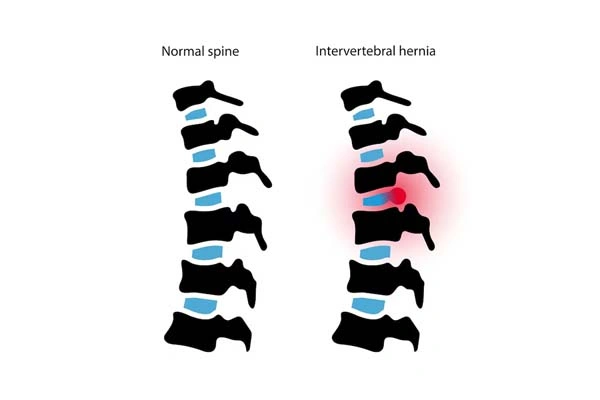
Spondylolisthesis is a spinal condition in which one vertebra slips forward over the vertebra below it, leading to spinal instability, lower back pain, and nerve compression. The condition may develop due to age-related degeneration, congenital defects, stress fractures, trauma, or previous spinal injuries. While some people experience mild symptoms, others may develop persistent pain, numbness, weakness, or difficulty walking. Early diagnosis and appropriate treatment are essential to prevent progression and maintain spinal function.
If you are searching for Spondylolisthesis Treatment in Rohini, Dr. Amit Shridhar at Spine Care Clinic provides comprehensive evaluation and individualized treatment for spinal instability. With expertise in both conservative management and advanced minimally invasive spine surgery, he focuses on relieving pain, restoring stability, and helping patients return to their normal activities safely.
The spine is made up of a series of vertebrae stacked one above another. In spondylolisthesis, one vertebra moves forward relative to the adjacent vertebra, affecting the alignment of the spine. This abnormal movement can narrow the spinal canal or compress nearby nerves, causing pain and neurological symptoms.
Spondylolisthesis most commonly affects the lumbar (lower back) region. Depending on the degree of slippage, the condition is classified into different grades, ranging from mild to severe. Some patients remain symptom-free, while others require medical or surgical treatment to restore spinal stability.
Several conditions can contribute to vertebral slippage.
Symptoms usually become worse with prolonged standing, walking, or physical activity.
Early treatment helps control symptoms and prevents worsening of spinal instability.
Benefits include:
Seeking Spondylolisthesis Treatment in Rohini at an early stage offers better long-term outcomes and may reduce the need for major surgery.
A thorough evaluation helps determine the severity of vertebral slippage and guides treatment planning.
Dr. Amit Shridhar reviews the patient's symptoms, medical history, previous injuries, occupation, lifestyle, and physical activity.
The examination includes:
Depending on the patient's condition, investigations may include:
These investigations help determine the grade of spondylolisthesis, spinal instability, and nerve compression.
Treatment depends on symptom severity, degree of slippage, and neurological findings.
Many patients improve without surgery through:
Patients with persistent pain may benefit from:
These treatments help reduce inflammation and improve pain control.
Surgery may be recommended when:
Surgical options include:
Dr. Amit Shridhar recommends surgery only after careful evaluation and selects the procedure best suited to each patient's condition.
Recovery depends on the severity of spondylolisthesis and the treatment performed. Conservative treatment usually provides gradual improvement, while surgical recovery requires structured rehabilitation.
Patients are advised to:
Long-term rehabilitation plays a key role in maintaining spinal stability and preventing recurrence of symptoms.
Successful treatment of spondylolisthesis requires specialized expertise in spinal disorders.
Patients choose Dr. Amit Shridhar because of:
At Spine Care Clinic in Rohini, patients receive individualized care focused on relieving pain, restoring spinal stability, and improving long-term spinal health.
Spondylolisthesis is a manageable spinal condition when diagnosed early and treated appropriately. Persistent lower back pain, leg pain, or walking difficulty should never be ignored, as timely intervention can prevent progression and improve quality of life.
If you are looking for Spondylolisthesis Treatment in Rohini, consult Dr. Amit Shridhar at Spine Care Clinic for expert diagnosis and comprehensive treatment. Whether you require conservative management, image-guided pain relief, or minimally invasive spine surgery, you can expect personalized care designed to achieve lasting pain relief and restore spinal function.
Spondylolisthesis is a condition in which one vertebra slips forward over another, leading to spinal instability, lower back pain, and sometimes nerve compression.
Yes. Many patients improve with medications, physiotherapy, exercises, lifestyle changes, and image-guided pain management procedures. Surgery is recommended only for severe or progressive cases.
Yes. Gentle walking is usually beneficial because it helps maintain mobility and strengthens supporting muscles. However, the activity level should be guided by your spine specialist.
Surgery may be required if severe vertebral slippage, persistent pain, progressive neurological weakness, or spinal instability does not improve with conservative treatment.
Dr. Amit Shridhar provides comprehensive diagnosis, personalized treatment plans, advanced non-surgical care, and minimally invasive spine surgery when required, helping patients achieve long-term pain relief and improved spinal stability.