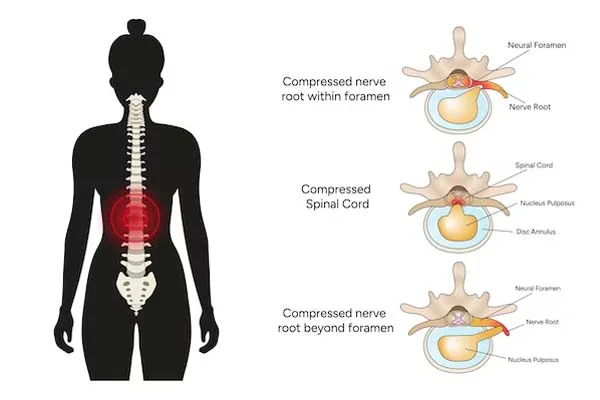
Spinal stenosis is a condition in which the spaces within the spinal canal become narrow, putting pressure on the spinal cord or spinal nerves. It most commonly affects the neck (cervical spine) and lower back (lumbar spine), leading to pain, numbness, weakness, and difficulty walking. The condition usually develops gradually with age due to degenerative changes in the spine, but it can also result from injuries, congenital abnormalities, or other spinal disorders. Early diagnosis and timely treatment help prevent worsening symptoms and improve mobility.
If you are searching for Spinal Stenosis Treatment in Rohini, Dr. Amit Shridhar at Spine Care Clinic offers comprehensive diagnosis and personalized treatment for cervical and lumbar spinal stenosis. Using advanced diagnostic tools and evidence-based treatment approaches, he focuses on relieving nerve compression, reducing pain, and restoring spinal function.
The spinal canal is a hollow passage within the vertebrae that houses the spinal cord and nerves. In spinal stenosis, this space becomes narrower due to bone overgrowth, thickened ligaments, bulging discs, or arthritic changes. As the available space decreases, pressure is placed on the spinal nerves, causing pain and neurological symptoms.
Lumbar spinal stenosis commonly causes lower back pain and leg discomfort, while cervical spinal stenosis may affect the neck, shoulders, arms, and hands. The severity of symptoms varies depending on the degree of nerve compression.
Several age-related and structural changes can contribute to spinal stenosis.
Symptoms differ depending on the affected area.
Lumbar Spinal Stenosis
Cervical Spinal Stenosis
Severe spinal stenosis may lead to bladder or bowel dysfunction, which requires immediate medical attention.
Early diagnosis and treatment can prevent progression and improve quality of life.
Benefits include:
Choosing Spinal Stenosis Treatment in Rohini early improves the chances of successful long-term management.
Accurate diagnosis helps determine the location and severity of spinal canal narrowing.
Dr. Amit Shridhar evaluates the patient's symptoms, medical history, previous spinal conditions, occupation, and lifestyle.
The examination includes:
Depending on the patient's condition, investigations may include:
These investigations help identify spinal canal narrowing, nerve compression, and associated degenerative changes.
Treatment depends on symptom severity, imaging findings, and neurological status.
Most patients initially benefit from non-surgical treatment, including:
Patients with persistent symptoms may benefit from:
These minimally invasive procedures reduce inflammation and provide significant symptom relief.
Surgery is recommended when:
Surgical options may include:
Dr. Amit Shridhar recommends surgery only after a detailed evaluation and when it offers the best long-term outcome.
Recovery depends on the severity of spinal stenosis and the treatment received. Patients treated conservatively often improve gradually, while surgical recovery requires structured rehabilitation.
Patients are advised to:
Following these recommendations helps maintain spinal health and prevent symptom recurrence.
Managing spinal stenosis requires expertise in degenerative spine disorders and advanced surgical techniques.
Patients choose Dr. Amit Shridhar because of:
At Spine Care Clinic in Rohini, patients receive individualized care aimed at relieving nerve compression, improving mobility, and restoring overall spinal function.
Spinal stenosis can gradually reduce mobility and affect your daily activities if left untreated. Early diagnosis and timely treatment help relieve symptoms, prevent nerve damage, and improve quality of life.
If you are looking for Spinal Stenosis Treatment in Rohini, consult Dr. Amit Shridhar at Spine Care Clinic for expert diagnosis and comprehensive treatment. Whether you require physiotherapy, medications, image-guided pain management, or minimally invasive spine surgery, you can expect personalized care focused on long-term recovery and improved spinal health.
Spinal stenosis is the narrowing of the spinal canal, which places pressure on the spinal cord or spinal nerves, causing pain, numbness, weakness, and difficulty walking.
Yes. Many patients improve with medications, physiotherapy, exercises, lifestyle modifications, and minimally invasive pain management procedures. Surgery is considered only when symptoms become severe or conservative treatment is ineffective.
The structural narrowing usually cannot be reversed, but symptoms can be effectively managed with appropriate treatment, rehabilitation, and lifestyle changes.
You should seek medical attention if you have persistent back or neck pain, numbness, weakness, walking difficulty, or symptoms that worsen despite conservative treatment.
Dr. Amit Shridhar offers expert diagnosis, individualized treatment plans, advanced non-surgical therapies, and minimally invasive spine surgery when required, helping patients achieve long-term pain relief and improved mobility.