Lumbar Degenerative Disc Disease (DDD) is a common spinal condition that develops as the discs in the lower back gradually lose their flexibility, hydration, and shock-absorbing ability. Although disc degeneration is a natural part of aging, it can cause chronic lower back pain, stiffness, reduced mobility, and nerve compression in some individuals. If left untreated, the condition may progress and interfere with daily activities, work, and overall quality of life.
If you are looking for Lumbar Degenerative Disc Treatment in Rohini, Dr. Amit Shridhar at Spine Care Clinic provides comprehensive evaluation and personalized treatment for degenerative spine disorders. With expertise in both conservative and advanced surgical spine care, he focuses on relieving pain, improving spinal function, and helping patients return to an active and comfortable lifestyle.
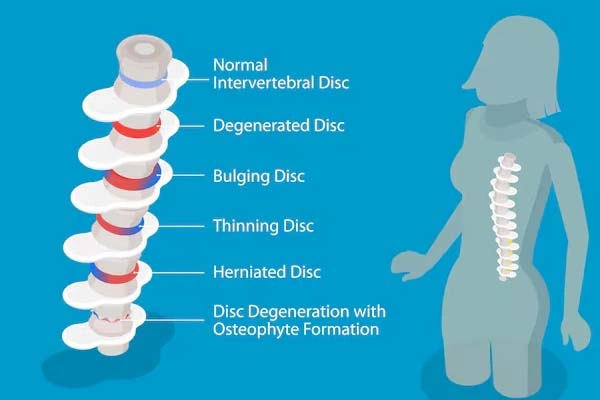
The lumbar spine consists of five vertebrae separated by intervertebral discs that act as cushions between the bones. These discs allow flexibility while absorbing the stress placed on the spine during daily activities.
Over time, the discs gradually lose water content and elasticity. As they become thinner and weaker, they are less able to absorb shock effectively. This process is known as lumbar degenerative disc disease. In some cases, the damaged discs may irritate nearby nerves, resulting in lower back pain, sciatica, numbness, or muscle weakness.
Although degeneration cannot be completely reversed, timely treatment can effectively manage symptoms and slow disease progression.
Several factors contribute to disc degeneration.
Symptoms vary depending on the severity of degeneration and the extent of nerve involvement.
Seeking timely treatment helps reduce symptoms and maintain spinal health.
Benefits include:
Choosing Lumbar Degenerative Disc Treatment in Rohini at an early stage helps preserve spinal function and improve long-term outcomes.
An accurate diagnosis is essential to identify the affected discs and determine the most effective treatment plan.
Dr. Amit Shridhar evaluates the patient's symptoms, occupation, lifestyle, previous injuries, and medical history.
The examination includes:
Depending on the patient's condition, investigations may include:
These investigations help determine the severity of disc degeneration and identify associated nerve compression or spinal instability.
Treatment depends on symptom severity, imaging findings, and overall spinal health.
Most patients improve with non-surgical treatment, including:
Patients with persistent pain may benefit from:
These minimally invasive procedures reduce inflammation and improve pain control.
Surgery is considered when:
Surgical options may include:
Dr. Amit Shridhar recommends surgery only after a comprehensive evaluation and when it offers the best long-term benefit.
Recovery depends on the severity of degeneration and the treatment received. Conservative treatment often provides gradual improvement over several weeks, while surgical recovery requires structured rehabilitation.
Patients are advised to:
These measures help reduce symptoms and slow further degeneration.
Managing lumbar degenerative disc disease requires specialized knowledge and a patient-centered approach.
Patients choose Dr. Amit Shridhar because of:
At Spine Care Clinic in Rohini, every patient receives individualized care designed to relieve pain, improve mobility, and support long-term spinal health.
Lumbar degenerative disc disease can significantly affect your daily activities if left untreated. Early diagnosis and appropriate treatment help relieve pain, improve movement, and reduce the risk of future spinal complications.
If you are searching for Lumbar Degenerative Disc Treatment in Rohini, consult Dr. Amit Shridhar at Spine Care Clinic for expert diagnosis and comprehensive treatment. Whether you require physiotherapy, medications, interventional pain management, or minimally invasive spine surgery, you can expect personalized care focused on restoring spinal function and improving your quality of life.
Lumbar degenerative disc disease is a condition in which the discs in the lower spine gradually lose their flexibility and cushioning ability due to aging or wear and tear, leading to back pain and stiffness.
Yes. Most patients respond well to medications, physiotherapy, exercise, lifestyle modifications, and minimally invasive pain management procedures. Surgery is considered only for severe or persistent cases.
The degenerative process cannot be completely reversed, but symptoms can be effectively managed with proper treatment, rehabilitation, and lifestyle changes.
You should consult a spine specialist if lower back pain persists for several weeks, radiates to the legs, causes numbness or weakness, or interferes with your daily routine.
Dr. Amit Shridhar offers comprehensive diagnosis, personalized treatment plans, advanced non-surgical therapies, and minimally invasive spine surgery when necessary, ensuring effective and long-term management of lumbar degenerative disc disease.