A slipped or herniated disc is one of the leading causes of persistent back pain, neck pain, and nerve-related symptoms such as numbness, tingling, and weakness in the arms or legs. The condition develops when the soft inner portion of a spinal disc pushes through its outer covering and compresses nearby nerves. While many patients recover with conservative treatment, ignoring the symptoms may lead to worsening pain, reduced mobility, and permanent nerve damage.
If you are searching for Slipped Herniated Disc Treatment in Rohini, Dr. Amit Shridhar at Spine Care Clinic provides comprehensive diagnosis and personalized treatment for cervical and lumbar disc disorders. With expertise in advanced spine care, he focuses on relieving pain, restoring normal function, and helping patients return to an active lifestyle through the most appropriate treatment approach.
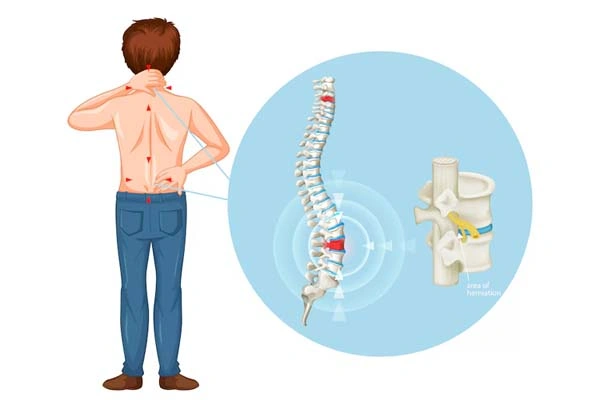
The spine is made up of vertebrae separated by intervertebral discs that act as shock absorbers and provide flexibility. Each disc has a tough outer layer and a soft gel-like center. A herniated disc occurs when the outer layer weakens or tears, allowing the inner material to bulge outward. This bulging disc can press on nearby spinal nerves, causing pain and neurological symptoms.
A herniated disc most commonly affects the lumbar spine (lower back) and cervical spine (neck). The condition may develop gradually due to age-related wear and tear or suddenly after lifting heavy objects, twisting movements, or injuries.
Several factors increase the risk of developing a herniated disc.
Symptoms depend on the location of the affected disc.
Lumbar Herniated Disc
Cervical Herniated Disc
Emergency medical attention is necessary if there is severe leg weakness or loss of bladder or bowel control.
Early diagnosis and timely treatment help prevent complications and improve recovery.
Benefits include:
Choosing Slipped Herniated Disc Treatment in Rohini early can significantly improve treatment outcomes.
A thorough evaluation helps determine the severity of disc herniation and guides the most effective treatment plan.
Dr. Amit Shridhar evaluates the patient's symptoms, medical history, occupation, lifestyle, and previous spinal injuries.
The examination includes:
Depending on the patient's condition, investigations may include:
These investigations help identify the location, size, and severity of the herniated disc.
Treatment depends on the severity of symptoms, neurological findings, and imaging results.
Most patients recover without surgery through:
Patients with persistent pain may benefit from:
These minimally invasive procedures reduce inflammation around the affected nerve and provide effective pain relief.
Surgery is recommended when:
Surgical options include:
Dr. Amit Shridhar carefully evaluates every patient before recommending surgery and selects the most suitable procedure for optimal recovery.
Recovery depends on the severity of the herniated disc and the treatment received. Most patients treated conservatively improve within a few weeks, while surgical recovery requires structured rehabilitation.
Patients are advised to:
Following these recommendations helps reduce recurrence and supports long-term spinal health.
Managing a herniated disc requires specialized expertise in spine disorders.
Patients trust Dr. Amit Shridhar because of:
At Spine Care Clinic in Rohini, every patient receives individualized care aimed at relieving pain, restoring mobility, and preventing future spinal problems.
A slipped or herniated disc can cause significant pain and affect your daily life if left untreated. Early diagnosis and appropriate treatment can prevent permanent nerve damage and improve recovery.
If you are searching for Slipped Herniated Disc Treatment in Rohini, consult Dr. Amit Shridhar at Spine Care Clinic for expert diagnosis and comprehensive care. Whether your condition requires conservative management, minimally invasive procedures, or advanced spine surgery, you can expect personalized treatment focused on lasting pain relief and improved spinal health.
There is no difference. The terms slipped disc, herniated disc, and prolapsed disc are commonly used to describe the same condition in which the inner part of a spinal disc protrudes through its outer layer.
Yes. Most patients improve with medications, physiotherapy, lifestyle modifications, and minimally invasive pain management. Surgery is recommended only when conservative treatment fails or severe nerve compression is present.
Common symptoms include back or neck pain, pain radiating to the arms or legs, numbness, tingling, muscle weakness, and difficulty performing daily activities.
Recovery depends on the severity of the condition and treatment. Mild cases may improve within a few weeks, while surgical recovery usually takes several weeks to months with rehabilitation.
Dr. Amit Shridhar provides expert diagnosis, personalized treatment plans, advanced non-surgical care, and minimally invasive spine surgery when required, ensuring comprehensive care and long-term recovery for patients with herniated discs.