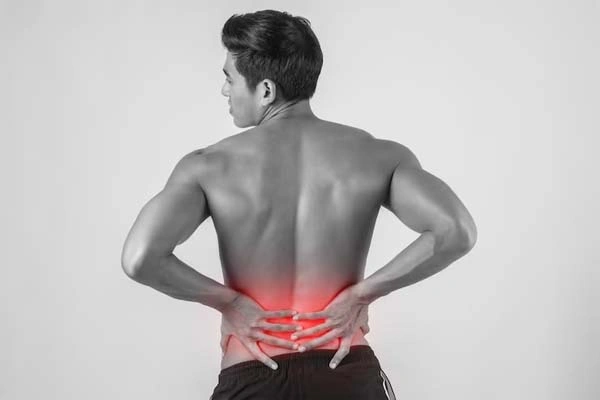
A slip disc, also known as a herniated disc, prolapsed disc, or disc prolapse, is one of the most common causes of persistent back pain and sciatica. It occurs when the soft inner portion of a spinal disc pushes through its outer layer, putting pressure on nearby nerves. This can lead to severe pain, numbness, tingling, and weakness in the arms or legs, depending on the location of the affected disc. Although many patients recover with conservative treatment, some may require advanced minimally invasive procedures or surgery for lasting relief.
If you are searching for Slip Disc Treatment in Rohini, Dr. Amit Shridhar at Spine Care Clinic offers comprehensive diagnosis and personalized treatment for cervical and lumbar disc disorders. His goal is to relieve pain, restore mobility, and help patients return to their normal activities with the most appropriate treatment approach.
The spine is made up of vertebrae separated by soft, cushion-like discs that absorb shock and allow flexibility. Each disc has a tough outer layer and a soft gel-like center. A slip disc occurs when the outer layer weakens or tears, allowing the inner material to bulge or leak out. This bulging disc can compress nearby spinal nerves, resulting in pain and neurological symptoms.
Slip discs most commonly occur in the lumbar spine (lower back) and cervical spine (neck). Factors such as aging, repetitive strain, poor posture, heavy lifting, obesity, and injuries increase the risk of developing this condition.
A slipped disc may develop gradually due to age-related wear and tear or suddenly following trauma or heavy lifting.
The symptoms depend on the location of the affected disc.
Lumbar Slip Disc
Cervical Slip Disc
Emergency medical attention is required if the patient develops severe weakness or loss of bladder or bowel control.
Early diagnosis helps prevent worsening nerve compression and improves recovery outcomes.
Benefits include:
Seeking Slip Disc Treatment in Rohini early can help patients recover faster and avoid complications.
A detailed clinical assessment helps determine the severity of the disc problem and the extent of nerve involvement.
Dr. Amit Shridhar evaluates the patient's symptoms, duration of pain, occupation, previous injuries, and medical history.
The examination includes:
To confirm the diagnosis, the following tests may be advised:
These investigations help identify the exact location and severity of the slipped disc.
Treatment is based on the severity of symptoms, imaging findings, and neurological status.
Most patients improve without surgery through:
Patients with persistent pain may benefit from:
These procedures reduce inflammation and provide significant pain relief.
Surgery is recommended when:
Surgical options include:
Dr. Amit Shridhar carefully evaluates every patient before recommending surgery, ensuring the treatment is tailored to the individual's condition.
Recovery depends on the severity of the slipped disc and the treatment received. Conservative treatment often leads to improvement within a few weeks, while surgical recovery varies based on the procedure.
Patients are advised to:
These measures help reduce the risk of recurrence and support long-term spinal health.
Choosing the right spine specialist is crucial for successful treatment and long-term recovery.
Patients choose Dr. Amit Shridhar because of:
At Spine Care Clinic in Rohini, every patient receives individualized care designed to relieve pain, preserve nerve function, and restore mobility.
A slipped disc can significantly affect your daily activities, work, and overall quality of life. Ignoring persistent back pain, leg pain, or numbness can lead to worsening nerve compression and long-term complications. Early diagnosis and timely treatment provide the best chance for complete recovery.
If you are searching for Slip Disc Treatment in Rohini, consult Dr. Amit Shridhar at Spine Care Clinic for expert diagnosis and comprehensive treatment. Whether you require conservative management, minimally invasive procedures, or advanced spine surgery, you can expect personalized care focused on long-term pain relief and spinal health.
A slip disc is usually caused by age-related disc degeneration, heavy lifting, poor posture, obesity, spinal injuries, or repetitive strain that weakens the spinal discs.
Yes. Most patients recover with medications, physiotherapy, lifestyle changes, and minimally invasive pain management. Surgery is recommended only when conservative treatment is unsuccessful or nerve damage is severe.
Common symptoms include persistent back or neck pain, pain radiating to the arms or legs, numbness, tingling, muscle weakness, and difficulty walking. Severe neurological symptoms require immediate medical attention.
Recovery depends on the severity of the condition and the treatment provided. Mild cases may improve within a few weeks, while surgical recovery can take several weeks to a few months with proper rehabilitation.
Dr. Amit Shridhar provides expert diagnosis, personalized treatment plans, advanced non-surgical therapies, and minimally invasive spine surgery when necessary, ensuring comprehensive care for patients with slipped discs.